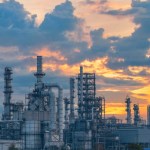
Ust-Luga, the top Russian port for exports of oil and other commodities from the Baltic Sea, caught fire early on Friday following an overnight drone attack from Ukraine.
A fire was detected at the port of Ust-Luga as a result of damage from drones, Alexander Drozdenko, governor of Russia’s Leningrad region, said in a post on Telegram on Friday.
Firefighters are working to extinguish the fire, with operations ongoing, the official said.
In a separate statement later, Drozdenko posted that “All consequences of the attack in the port of Ust-Luga were eliminated, there are no victims.”
This was not the first Ukrainian drone attack on Ust-Luga, which is a key export port for Russia’s crude oil, fuel, coal, fertilizers, and grain shipments. The previous attack was in early July.
Ukraine has intensified drone strikes on Russian energy infrastructure this year, targeting refineries, Russia-linked tankers in the Black Sea and the Sea of Azov, and supply routes, in a bid to cut Russia’s energy export revenues and fuel supply to the frontlines.
On Thursday, Ukraine struck another major Russian refinery, hitting Gazprom’s Neftekhim Salavat complex in the Urals as Kyiv intensified attacks that have already forced Moscow to curb fuel exports and even import gasoline.
Russia has reportedly started importing fuels from India, with one cargo of 42,000 tons of gasoline from Nayara Energy’s Vadinar refinery arriving in Russia earlier this month.
The Vadinar refinery is partly owned by Russia’s top oil producer Rosneft, which supplies the crude oil that is processed at the facility.
Meanwhile, Russia’s diesel and gasoil exports crashed in the first seven days of August to just 80,000 barrels per day (bpd), the lowest in many years, as Moscow extended restrictions on diesel exports amid a fuel crisis triggered by incessant Ukrainian attacks on Russian refineries.
Amid peak demand season, Russia has been suffering from gasoline and diesel shortages for over three months, as Ukraine’s drone campaign to strike Russian refineries forced many large processing sites offline in the spring and summer.
By Tsvetana Paraskova for Oilprice.com