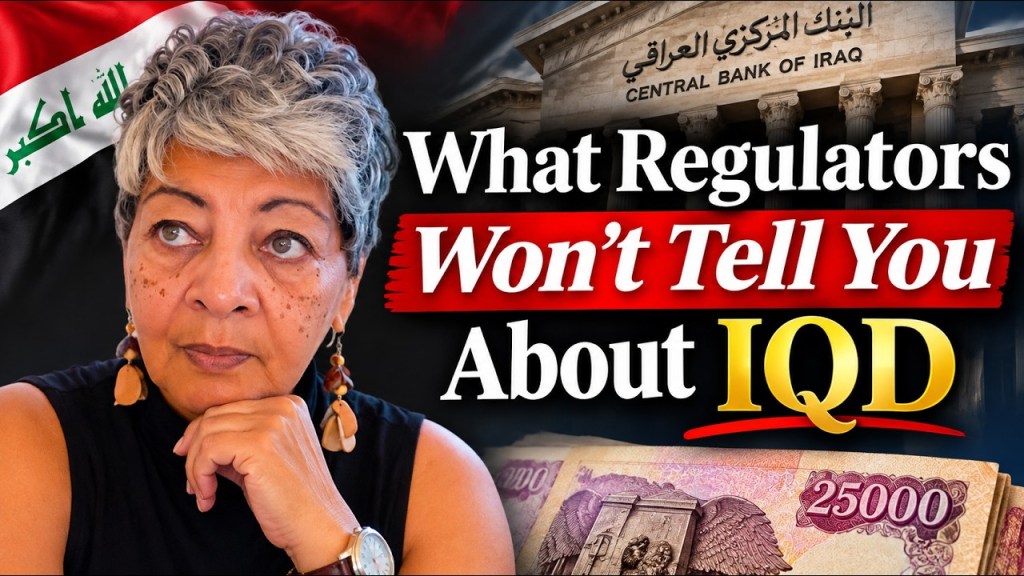
For years, the Iraqi dinar (IQD) has remained a subject of intense discussion among global currency enthusiasts and everyday investors. A recent video from Edu Matrix on YouTube sheds light on the often-hidden realities of the dinar, peeling back layers of speculation to reveal the actual mechanics driving its exchange rate. By examining the gap between official figures and real-world transactions, the video provides a grounded perspective that separates wishful thinking from sound economic fundamentals.
At the heart of the discussion is a significant discrepancy between the official government rate and the actual street value of the currency. While the Central Bank of Iraq officially maintains a rate of around 1,520 dinars per US dollar, individuals looking to trade on the ground often encounter street exchanges operating closer to 1,700 dinars per dollar. This notable gap is not an accidental oversight; rather, it is a direct reflection of genuine market demand and the day-to-day pressures facing the local economy.
This financial divide stems primarily from strict government controls, the careful rationing of available dollars, and a complex, multi-tier pricing system. While these protective measures are designed to support government budget needs and maintain a semblance of control, they often create unintended consequences for ordinary citizens. The resulting environment contributes to rising inflation and higher costs for essential imported goods, highlighting the complex balancing act that monetary authorities must perform on a daily basis.
Many online commentators frequently discuss the dream of the dinar returning to its pre-1990 pegged levels, where a single dinar was famously valued well above three US dollars. However, financial analysts are quick to dismiss this scenario as a persistent myth. That historical valuation was tied to a completely different political regime and an outdated economic model that simply does not apply to the modern global marketplace. Expecting a massive, sudden currency revaluation bonanza overlooks the realities of current macroeconomic policy.
Instead of chasing unrealistic financial windfalls, the Central Bank of Iraq is taking calculated steps aimed at fostering long-term financial stability. These regulatory moves are designed to gradually integrate the nation’s currency into the broader global economy. By carefully balancing its rich historical heritage with modern financial realities, Iraq is working diligently toward achieving a respected and stable status in the international financial community in the near future.
To gain a deeper understanding of these economic dynamics and to explore the subject in greater detail, be sure to watch the full video from Edu Matrix on YouTube for further insights and information.