
A sketch is often the rawest, most honest version of an idea — before color, before polish, before second-guessing. It’s also, by nature, incomplete. A few loose lines suggesting a pose, a scene barely blocked in, a gesture caught mid-thought. With image to video technology, even that unfinished quality can be pushed into motion.
Dreamina, running on its latest and most advanced video generation model, Seedance 2.5, lets sketch artists see their roughest ideas move before a single line gets cleaned up.
The sketch has always been the truest draft
Long before color or final rendering, a sketch already carries the essential energy of an idea — weight, balance, intention. Animators have always known this, which is why rough animatics exist: motion tests done in the loosest possible form before committing to final art. Turning a single sketch into a moving scene follows that same instinct, just without needing dozens of hand-drawn in-between frames to get there.
Why animate a sketch instead of waiting for final art
There’s real value in seeing motion early, before a piece is finished:
- Pacing and weight can be judged honestly, without polish masking problems
- Ideas can be tested and discarded quickly if the motion doesn’t work
- Rough energy sometimes reads more authentically once it moves than a polished version would
Sharing sketch animations as part of an artist’s process
Audiences increasingly enjoy seeing how an idea develops, not just the finished result. Posting a sketch animation alongside the final polished piece gives followers a rare look behind the curtain — the rough energy of the first idea next to the refined version it became. That kind of process content often earns more engagement than a finished piece shown on its own, simply because it feels more personal and less curated.
Revisiting old sketches with new motion
Many artists have folders full of old, abandoned sketches that never made it past the rough stage. Sketch-to-video generation gives those forgotten drawings a second chance — a pose that once felt unfinished can suddenly feel intentional once it’s moving, occasionally reviving ideas an artist had otherwise written off entirely.
Setting your sketch in motion with Dreamina
Getting a sketch moving in Dreamina takes only a few steps and doesn’t require the drawing to be finished first.
Step 1: Upload your sketch and describe the motion
Sign in to Dreamina and open the “AI Video” section. Click “Add reference image” to upload your sketch, then write a prompt describing the action you want to see.
For a 30-second clip, try: Using the jumping figure from the reference image, generate a 30-second animated video: the figure leaps forward and lands in a crouch, with loose motion lines trailing behind the movement, subtle camera shake on impact, and the camera slowly pulling back to reveal more of the space around the figure.
Step 2: Generate the scene with Seedance 2.5
Select the Seedance 2.5 model, choose your video length, then pick an aspect ratio suited to how you’ll share it — 16:9 for a portfolio reel, 9:16 for social platforms. Click Dreamina’s generate icon and let the sketch move.
Step 3: Refine and share your animated sketch
Use Dreamina’s editing tools to finish the clip — Upscale for cleaner linework, generate a soundtrack for simple sound effects or music — then export and share it as a rough animated concept or finished piece, depending on your goal.
What separates a strong sketch reference from a weak one
Loose doesn’t mean unclear. A sketch that clearly communicates a pose, weight, and direction of movement gives the model something solid to build from, while an overly abstract or ambiguous sketch can leave too much room for interpretation. A clean silhouette matters more here than fine detail.
Inside Seedance 2.5: reading rough, unfinished art
Interpreting loose, low-detail references
Because sketches are inherently minimal, Seedance 2.5’s ability to work with white model (blockout) style references translates well here — it’s built to extract believable motion and structure even from simplified, low-detail visual information.
Longer clips for testing full sequences
Native generation supports clips up to 30 seconds, with the “Ultra-long Video Generation (beta)” mode extending that range up to 180 seconds, giving enough room to test a full action sequence rather than a single isolated movement.
Reduced duplication issues in action poses
Dynamic, mid-motion sketches can sometimes confuse spatial consistency, and Seedance 2.5 specifically addresses the “twin” duplication issue that used to cause a single figure to split into look-alike copies during complex movement.
Precise local editing
Local editing allows specific elements of a sketch-based scene to be adjusted or removed without regenerating the entire animation, useful when only one small part of an otherwise strong test needs a fix.
Using sketch animation as a planning tool
Beyond being a fun way to see raw art move, sketch-to-video generation doubles as a genuinely useful planning step. Animators and illustrators can test whether a pose reads correctly in motion, whether timing feels right, or whether an action sequence needs rethinking — all before investing hours into clean, final artwork.
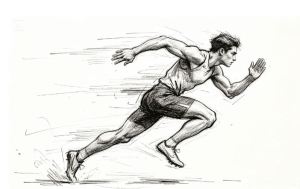
Keeping the raw energy intact
It can be tempting to over-polish once a sketch starts moving, but part of what makes sketch animation compelling is its unfinished honesty. Leaving some looseness in the final result — rough edges, visible construction lines — often keeps that authentic, in-progress feeling that a fully rendered piece can’t quite replicate.
Where animated sketches get the most use
This approach fits naturally into animation pre-production, character motion tests, social content showing an artist’s process, and quick concept pitches, where showing rough movement early often communicates an idea faster than words ever could.
Final thought
A sketch was never meant to be the final word — it was always the first honest attempt at an idea. With Dreamina and the interpretive flexibility built into Seedance 2.5, that first attempt can move before it’s even finished, letting artists see their roughest ideas come alive in real time.