The Bitcoin price has moved lower as U.S. Treasury yields climbed, but the options market is showing little fear. That calm is now becoming the main story for traders who watch volatility.
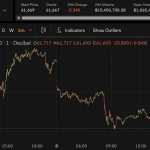
BTC dropped from $82,000 to $77,000 since May 15. The decline marked a 6% pullback. It also came during heavy outflows from spot Bitcoin ETFs and rising pressure in U.S. bond markets.
Bitcoin Price Falls While Volatility Stays Low
The Bitcoin price decline has matched a broader shift in macro conditions. U.S. Treasury yields strengthened as investors reacted to stress in government bonds.
The MOVE index, which tracks expected volatility in Treasury notes, rose from 69% to 85%. That jump showed greater uncertainty in one of the world’s most important financial markets.
Yet Bitcoin options did not show the same reaction. Bitcoin’s 30-day implied volatility index, known as BVIV, stayed near 42%. TradingView data showed it remained only slightly above its year-to-date low of 40%.

Implied volatility measures expected future price movement. When it is low, options are usually cheaper. That can attract traders who believe the market is too calm before a large move.
Treasury Market Stress Adds Pressure
Treasury yields matter for Bitcoin because they affect risk appetite. When yields rise, investors often become more cautious. They can move away from volatile assets and seek safer returns.
That shift can hurt crypto demand. It can also pressure equities and other high-risk assets. In this case, the bond market is sending a stronger warning than Bitcoin options.
The Bitcoin price has already reacted to that pressure. However, the market volatility has not fully adjusted.
Bitcoin Volatility Holds Near Lows
Low implied volatility suggests traders are not paying much for protection. That is notable during a price drop.
In past market selloffs, traders often rushed to buy options. That demand pushed implied volatility higher. This time, BVIV has stayed close to yearly lows.
The calm may reflect confidence among traders. It may also suggest that risk is being underpriced. That is why volatility-focused investors are paying close attention.
Deribit Executive Highlights Cheap Options
Deribit Chief Commercial Officer Jean-David Péquignot told CoinDesk that BTC implied volatility is historically low. He said implied volatility has compressed into the high 30s and low 40s.
He also noted that this level marks new 2026 lows. That makes Bitcoin options look cheap in absolute terms.
Deribit is the largest crypto options exchange. It accounts for more than 70% of the global crypto options market. Its comments therefore carry weight among professional traders.
Straddle Strategy Draws Interest
Low volatility can make a straddle strategy more attractive. A straddle involves buying a call option and a put option at the same strike price and expiry date.
This trade does not depend on direction. A call can profit if BTC rises sharply. A put can profit if BTC falls sharply.
The strategy works when the market moves enough to offset the cost of both options. Péquignot said cheap BTC volatility near a key breakout level could support long-volatility or long-straddle positioning.
Macro Events Could Trigger Volatility
Traders are now watching upcoming macro catalysts. The next CPI report could affect inflation expectations. Federal Reserve speeches could also move rate outlooks.
Those events may influence Treasury yields. They may also shape risk appetite across crypto markets.
The next Bitcoin price move could become sharper if macro data surprises investors. A strong reaction in bonds may force Bitcoin options to reprice quickly.
Key Levels Remain Important
BTC remains near a sensitive zone after falling from $82,000. A deeper decline could increase demand for downside protection. A strong rebound could also pressure traders who expect more weakness. That makes the current calm important.

Conclusion
The Bitcoin price has weakened as Treasury yields rose and ETF outflows increased. Yet implied volatility remains near 2026 lows. That creates a clear gap between market stress and options pricing.
Volatility traders may view that gap as an opportunity. If macro pressure grows, Bitcoin’s quiet options market may not stay quiet for long.
Appendix Glossary of Key Terms
Implied Volatility: A market measure showing how much traders expect Bitcoin’s price to move over a future period.
BVIV: Bitcoin’s 30-day implied volatility index, which tracks expected short-term movement in the BTC options market.
MOVE Index: A bond market volatility gauge that measures expected swings in U.S. Treasury notes.
Treasury Yields: Returns on U.S. government bonds that can affect risk appetite across crypto, stocks, and global markets.
Spot Bitcoin ETF: A regulated fund that directly holds Bitcoin and trades on a traditional stock exchange.
Straddle Strategy: An options strategy where traders buy both a call and a put to profit from a sharp move either way.
Frequently Asked Questions About Bitcoin Price
1- What happened to BTC recently?
BTC fell from $82,000 to $77,000 since May 15. The move came with ETF outflows and rising Treasury yields.
2- Why is Bitcoin implied volatility important?
It shows how much movement options traders expect. Low implied volatility can make options cheaper.
3- What is a straddle strategy?
It is an options trade that buys both a call and a put. It aims to profit from a large move in either direction.
4- Why do Treasury yields affect Bitcoin?
Higher yields can reduce demand for risky assets. That can pressure crypto markets, including BTC.