Baghdad (IraqiNews.com) – The Iraqi government intends to implement new measures to boost income and minimize government spending while increasing assistance to the most disadvantaged communities.
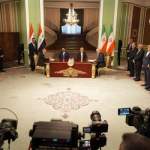
On Monday, Iraqi Prime Minister Mohammed Shia al-Sudani chaired a meeting of the Ministerial Council for the Economy to review approaches aiming to increase revenue and reduce government spending, according to a statement released by the Prime Minister’s Office (PMO).
The meeting addressed the necessary decisions and recommendations to control spending and increase financial resources. It also focused on protecting citizens’ interests, as well as their purchasing power and living standards, particularly those who are most vulnerable.
Officials attending the meeting discussed tax reforms as well as efforts to promote and grow the operation of private and public enterprises, which will help promote the Iraqi economy.
In mid-December, al-Sudani ordered to evaluate public expenditure, including allocations for senior Iraqi officials, during a meeting of the Ministerial Council for the Economy.
Al-Sudani addressed strategies to maximize state income, as well as measures to review salaries and allowances for employees working in the Iraqi presidency, the Iraqi parliament, and the cabinet.
The Iraqi government‘s compensation system has long been disputable. Iraqi top officials are paid extremely well, with the president getting a monthly salary up to 90 million Iraqi dinars (about $70,000) and a minister earning over 45 million Iraqi dinars (roughly $34,350), according to Rudaw News.
Most government personnel, including teachers and ministry officials, follow the 2008 compensation scale and earn between 200,000 and 785,000 Iraqi dinars ($150-$600) each month.