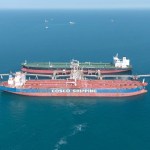
Iraq’s oil production has fallen to 1.3 million barrels per day from 4.3 million due to disruptions in shipping through the Strait of Hormuz following the US-Israeli war on Iran.
The conflict has constrained maritime traffic through the strategic waterway, a key artery for global oil trade, pushing exports below 800,000 barrels per day and driving losses estimated at about $128 million daily.
Read more: Iraq’s oil bottleneck: Abundance trapped by dependency
Despite this, the impact –particularly on food security– is expected to remain limited over the medium term, Prime Minister financial adviser Mazhar Mohammed Salih told Shafaq News. He outlined two main tracks underpinning economic stability, centered on domestic support measures and external financial buffers.
The first track rests on sustained government subsidies covering essential goods, including the food basket and strategic reserves, alongside support for agriculture, particularly grain production, as well as fuel, healthcare, and other social and economic services, while the second centers on foreign currency reserves, which remain sufficient to finance external trade for more than a year and are backed by oil export revenues as the country’s primary source of hard currency.
At around $100 billion, the reserves provide what Salih described as a “relative safety margin” for managing external obligations and maintaining exchange rate stability. Monetary policy also continues to balance liquidity with price stability while ensuring access to foreign currency, helping contain inflationary pressures.