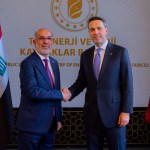
Resuming crude exports through the Iraq–Turkiye pipeline will provide Iraq with vital financial resources, Oil Minister Hayan Abdul Ghani confirmed on Saturday.
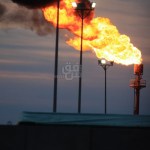
Crude oil from the Kurdistan Region began flowing again through the pipeline at 6:00 a.m. on Saturday, ending a suspension of more than two years.
Read more: Pipe dream or partnership? Iraq’s oil restart tests a fragile federal compact
Speaking at a panel titled Regional Energy Integration: Opportunities for Iraq–Jordan Cooperation in Sustainable Transition, Abdul Ghani explained that a new framework signed this month with the Kurdistan Regional Government (KRG) allows production and exports from oilfields operated by nearly ten foreign companies, emphasizing that their inclusion makes the agreement binding on all parties after more than a year of negotiations.
The minister noted that Iraqi technical teams are already supervising pumping operations at Fishkhabour pipeline, with crude reaching storage tanks at Turkiye’s Ceyhan port, adding, “The revenues from these exports represent a key source of income for Iraq.”
Meanwhile, Deputy Oil Minister Bassem Mohammed affirmed that national exports will now rise to 3.65 million barrels per day (bpd), with resumed volumes starting at 190,000 bpd on top of Iraq’s existing 3.4 million.